Understanding the Cavity-Resistant Nature of Dental Implants
The prospect of never experiencing another cavity in a replaced tooth might sound too good to be true, yet this remarkable benefit represents one of the most compelling advantages of modern dental restoration technology with dental implants Northern Ireland. Unlike natural teeth, which remain vulnerable to decay throughout one’s lifetime, dental implants offer a fundamentally different solution that eliminates the biological processes responsible for cavity formation. This permanent protection stems from the materials and structure of the implants themselves, which bear no resemblance to the organic composition of natural tooth enamel and dentine.
Natural teeth develop cavities when bacteria in the mouth produce acids that erode the mineral structure of enamel and eventually penetrate deeper layers of the tooth. This process requires organic material to sustain bacterial growth and provide a substrate for decay. Dental implants, constructed primarily from titanium posts and ceramic or porcelain crowns, contain no organic matter whatsoever. The absence of this biological component means that the acid-producing bacteria responsible for tooth decay simply cannot attack or degrade the implant material, rendering the restoration immune to the decay process that affects natural teeth.
The Composition of Dental Implants and Why Decay Cannot Occur
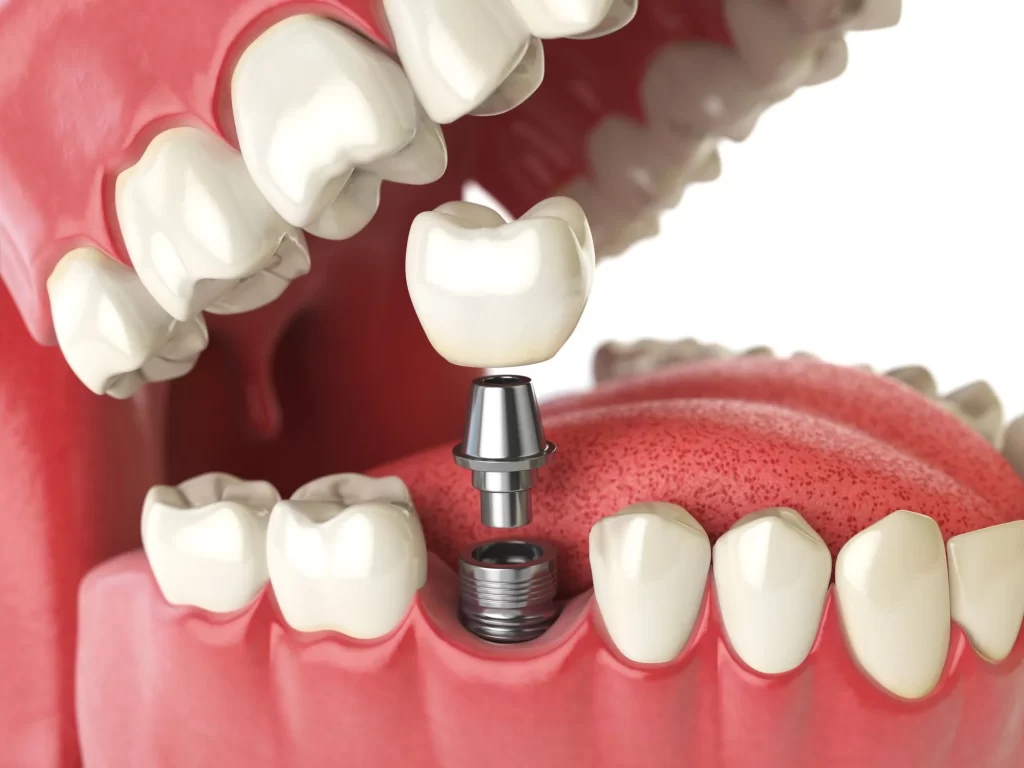
The typical dental implant consists of three distinct components: a titanium post that integrates with the jawbone, an abutment that connects the post to the visible portion, and a crown crafted from materials such as porcelain, ceramic, or zirconia. Each of these elements possesses inherent properties that make them impervious to bacterial decay. Titanium, renowned for its biocompatibility and corrosion resistance, forms a stable bond with bone tissue through a process called osseointegration, yet it remains entirely inert to the bacterial processes that cause cavities in natural teeth.
Those considering dental implants will find reassurance in knowing that the crown portion, despite its tooth-like appearance and function, shares none of the vulnerabilities of natural enamel. Modern dental ceramics and porcelain materials resist staining, wear, and most importantly, bacterial colonisation that leads to decay. Research has consistently demonstrated that dental implants cannot develop cavities due to their non-organic composition, providing patients with genuine peace of mind regarding this particular aspect of oral health.
Maintaining Oral Health Around Dental Implants
Whilst the implant itself cannot develop decay, the surrounding tissues require diligent care to ensure long-term success. The gum tissue and bone that support the implant remain living structures susceptible to infection and inflammation. Peri-implantitis, a condition affecting the soft and hard tissues around implants, can occur when bacterial plaque accumulates along the implant surface and beneath the gum line. This condition, though not a cavity in the traditional sense, demands attention through proper oral hygiene practices including regular brushing, flossing, and professional cleanings.
The distinction between cavity immunity and overall oral health maintenance represents an important consideration for anyone exploring dental implants. Patients must understand that whilst they gain permanent protection against decay in the replaced tooth, they cannot abandon their oral hygiene routines. The absence of cavity risk in implants does not extend to neighbouring natural teeth, which remain fully vulnerable to decay processes. Additionally, the health of the gum tissue directly influences implant longevity and stability.
Long-Term Benefits and Quality of Life Improvements
The permanent protection against tooth decay offered by dental implants extends beyond mere convenience, contributing significantly to improved quality of life for recipients. Individuals who have struggled with recurrent cavities, extensive dental work, or genetic predispositions to decay find particular relief in knowing that their restored teeth require no fillings, root canals, or repeated interventions related to decay. This peace of mind allows for greater confidence in daily life, from social interactions to dietary choices.
Scientific evidence continues to support the durability and success of dental implant technology. Studies examining long-term implant outcomes demonstrate impressive survival rates and patient satisfaction levels, with the cavity-resistant nature of implants contributing to their overall reliability. The investment in dental implants patients make today can provide decades of service without the concern of decay compromising the restoration itself.
Final Thoughts on Cavity-Free Dental Solutions
The elimination of cavity risk represents just one aspect of the comprehensive benefits that dental implants provide. By combining this permanent protection with proper oral hygiene and regular dental supervision, patients can enjoy restored function and aesthetics without the perpetual worry of decay affecting their replacement teeth. This transformative approach to dental restoration continues to improve lives by offering a solution that addresses both immediate needs and long-term oral health concerns.